
Labour Market Changes: Challenges and Solutions
The block “Labour Market Changes” will offer participants a broad yet practical view of how the labour market is changing in Europe and in Slovakia, and what these changes mean for employers, schools, public policy, and individuals. We will move from big data and macroeconomic trends step by step towards the human being – their energy, cognitive health, and mid-life transitions – and finally to concrete solutions that are already working today to support an inclusive labour market and active ageing.

Photo: www.HalfPointImages.com
Profiles of Speakers for the Conference Alma Inclusive 2026 (February 3, 2026)
Labour Market Changes: Challenges and Solutions
(od 9:15 do 10:40 hod.)
Labour Market in Transformation
Martin Kahanec, Co-founder of the Central European Labour Studies Institute (CELSI)
Martin Kahanec is the founder and Scientific Director of the Central European Labour Studies Institute (CELSI), a member of the Group of Chief Scientific Advisors to the European Commission (from 5/2025), and the 2025 ESET Science Award laureate in the main category “Outstanding Personality of Science” in Slovakia. He is a professor at the Department of Public Policy at the Central European University (CEU) in Vienna, where he also serves as Director of the Shattuck Center for Human Rights.
Previously, he was Dean of the CEU School of Public Policy in 2017–2019 and 2020–2021, and headed the Department of Public Policy in 2021–2023. Since 2015, he has also been affiliated with the University of Economics in Bratislava. Martin is a member of the Government Council of the Slovak Republic for Science, Technology and Innovation (since 2022) and a leading figure of the European academy of sciences Academia Europaea. His main research areas include economic policy, labor and population economics, migration, EU mobility, integration and ethnicity, inequalities, and reforms of European labour markets.
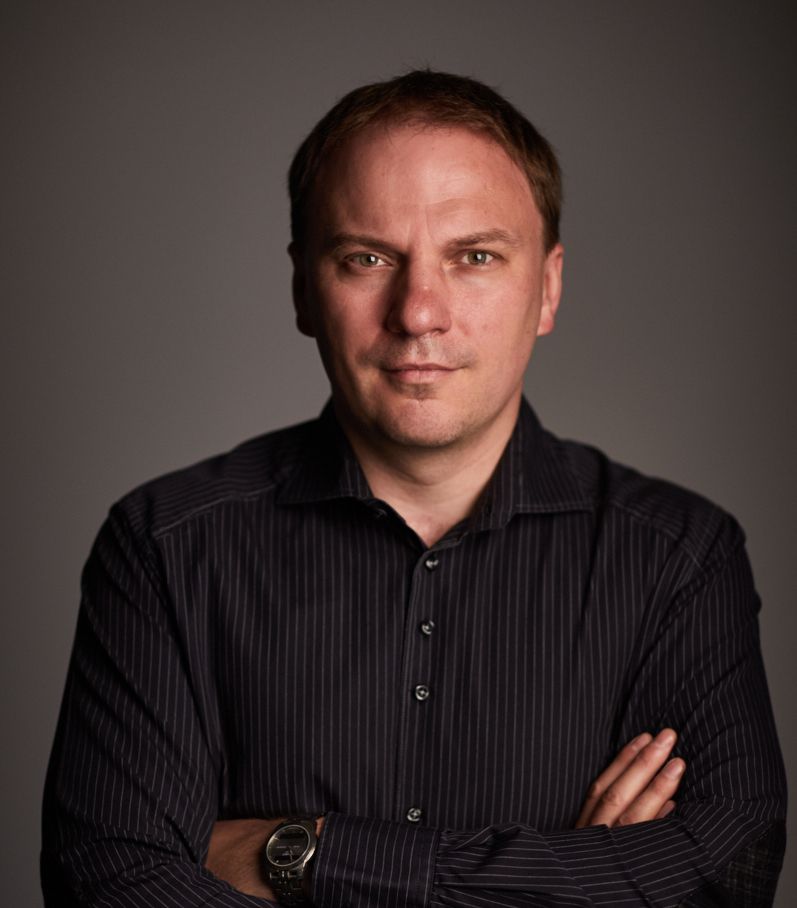
Martin will offer a “big picture” view of how the European labour market is currently transforming, drawing on research and data. He will connect this macroeconomic perspective with a very concrete question for Slovakia: why some young people drop out of the labour market after finishing school and how schools, the state and employers can strengthen equal opportunities and inclusive employment.
He will build on the topic of “labour reserve” and outline how migration and integration policy, together with inclusive programmes, can help not only groups at the margins of the labour market, but also the economy as a whole.
Humans in the Technology Era: Energy, Brain, Skills
Panel discussion: Klaudia Bednárová (KOGNEO), Martin Szabo (Alma Career Slovakia), Dalibor Slávik (SLÁVIK & STELL), Viktória Skřivánková (International Organization for Migration)
Klaudia Bednárová is the director and founder of the language centre The Bridge in Bratislava. She focuses on modern educational methods, connecting language learning with real-life practice, and developing teachers, while viewing language as a tool for personal growth, international cooperation, and maintaining cognitive health throughout life.
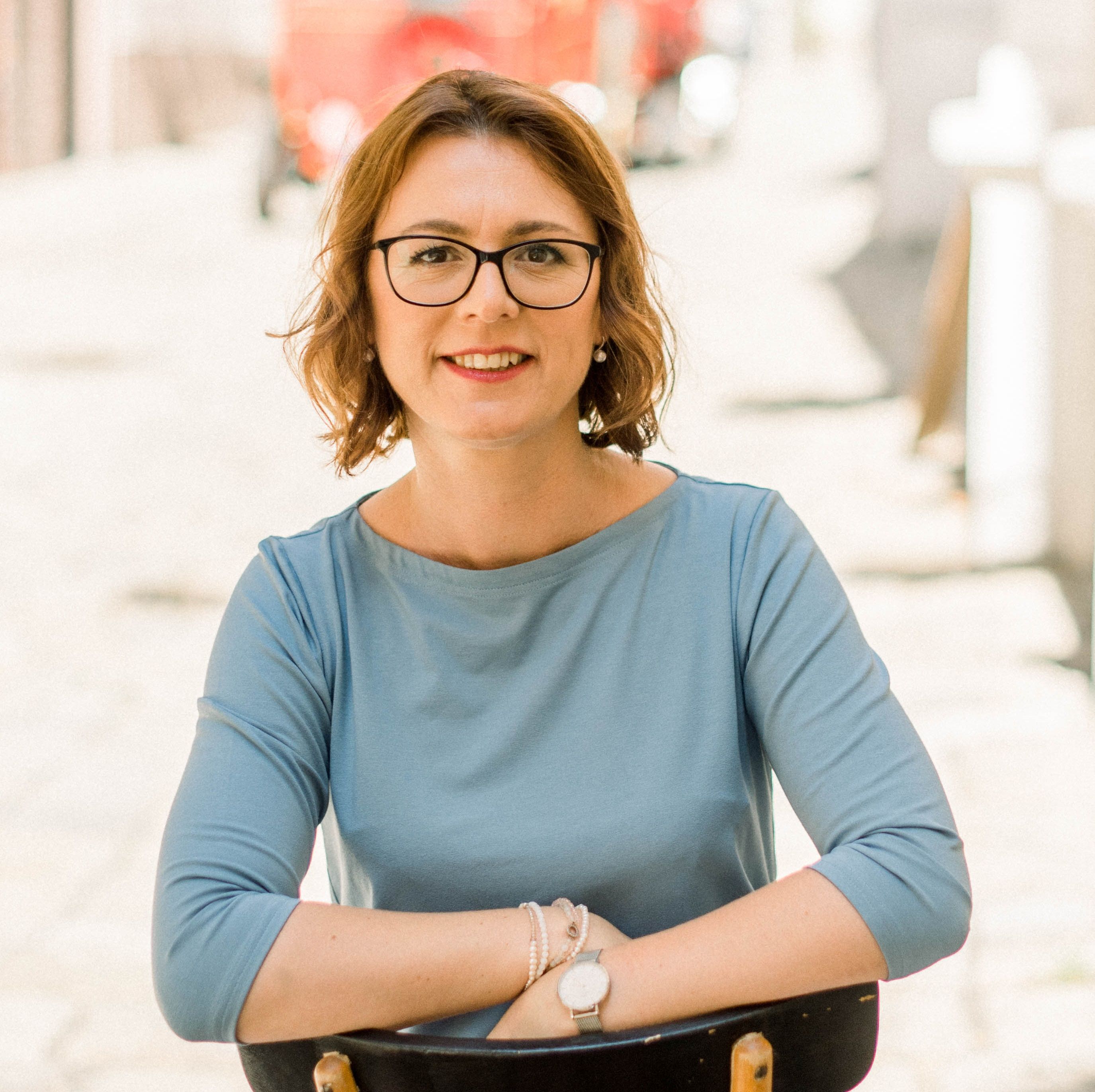
The rapid development of technologies and artificial intelligence is fundamentally changing the way people work, learn, and think. Recent research confirms that excessive use of digital technologies, social media, and automated tools leads to a decline in cognitive functions, attention, and psychological resilience, which directly affects employment and productivity, as people perform worse, burn out faster, and experience anxiety and depression. In her talk, Klaudia will explain why it is essential to actively care for our cognitive health and mental resilience in this new environment.
Martin Szabo is a Labour Market Analyst at Alma Career Slovakia. He specializes in data and its use for better understanding of the Slovak labour market, supports the strategic decision-making of clients, and helps job seekers navigate job opportunities and trends more effectively.
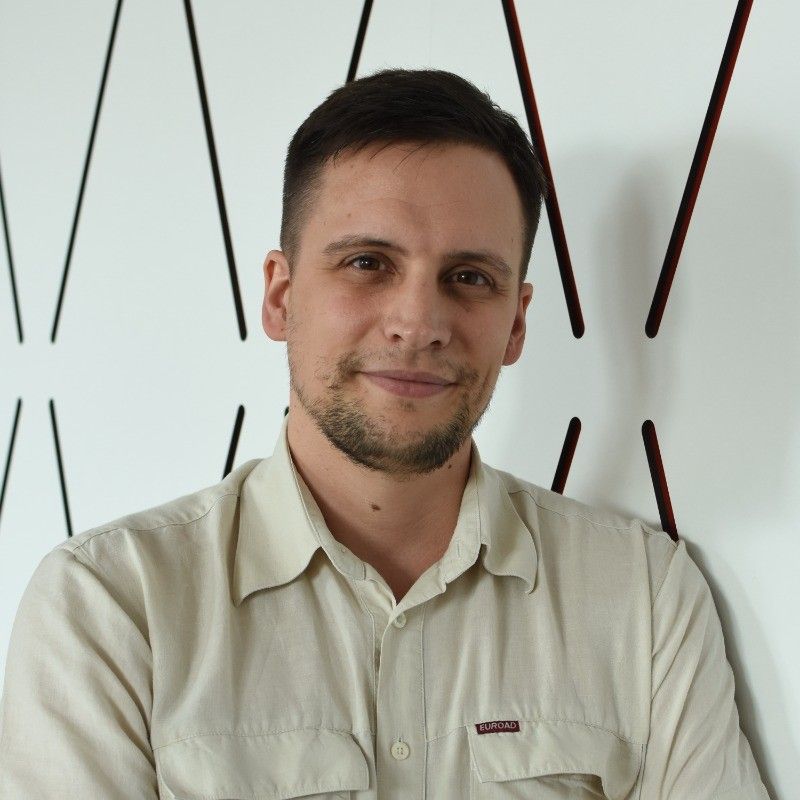
In his presentation, Martin will introduce current data from the job portal Profesia.sk and the results of an international survey carried out by Alma Career Slovakia in 2025 in eight European countries. He will focus on trends in employee development, motivation to change jobs, and the impact of education on worker stability and performance.
Dalibor Slávik is a Managing Partner for Slovakia and the Czech Republic at the boutique consulting firm SLÁVIK & STELL. He has over 20 years of experience in headhunting, during which he has filled primarily C-level and senior roles, and is among the respected experts on the Slovak labour market.
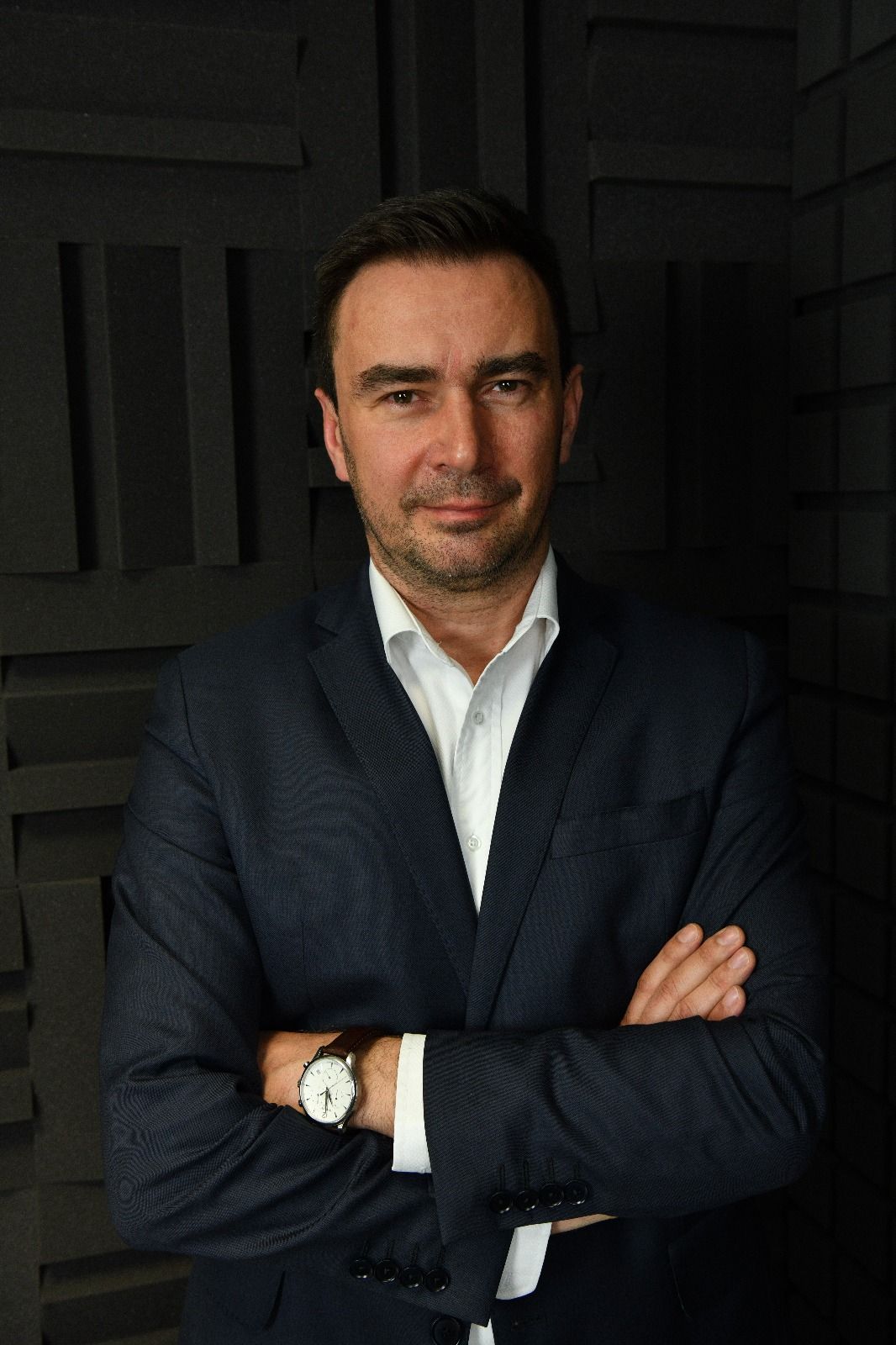
In his presentation, Dalibor will focus on modern escapes from male reality after forty and on andropause as both a hormonal and existential reset. He will discuss how men of productive age cope with the loss of energy, meaning, and identity, and will present the social, biological, and psychological dimensions of this phenomenon. In his conclusion, Dalibor will examine escape mechanisms such as technologies, workaholism, and addictions, and will show how these processes are reflected in managerial behavior, relationships, and overall men's health.
Viktória Skřivánková is a Senior Project Associate at the International Organization for Migration (IOM), where she leads European projects focused on labour migration and private sector engagement. She has experience in strategic public policy-making and previously headed the Department of Talent Policies at the Government Office of the Slovak Republic, where she managed reforms and investments in education and migration.
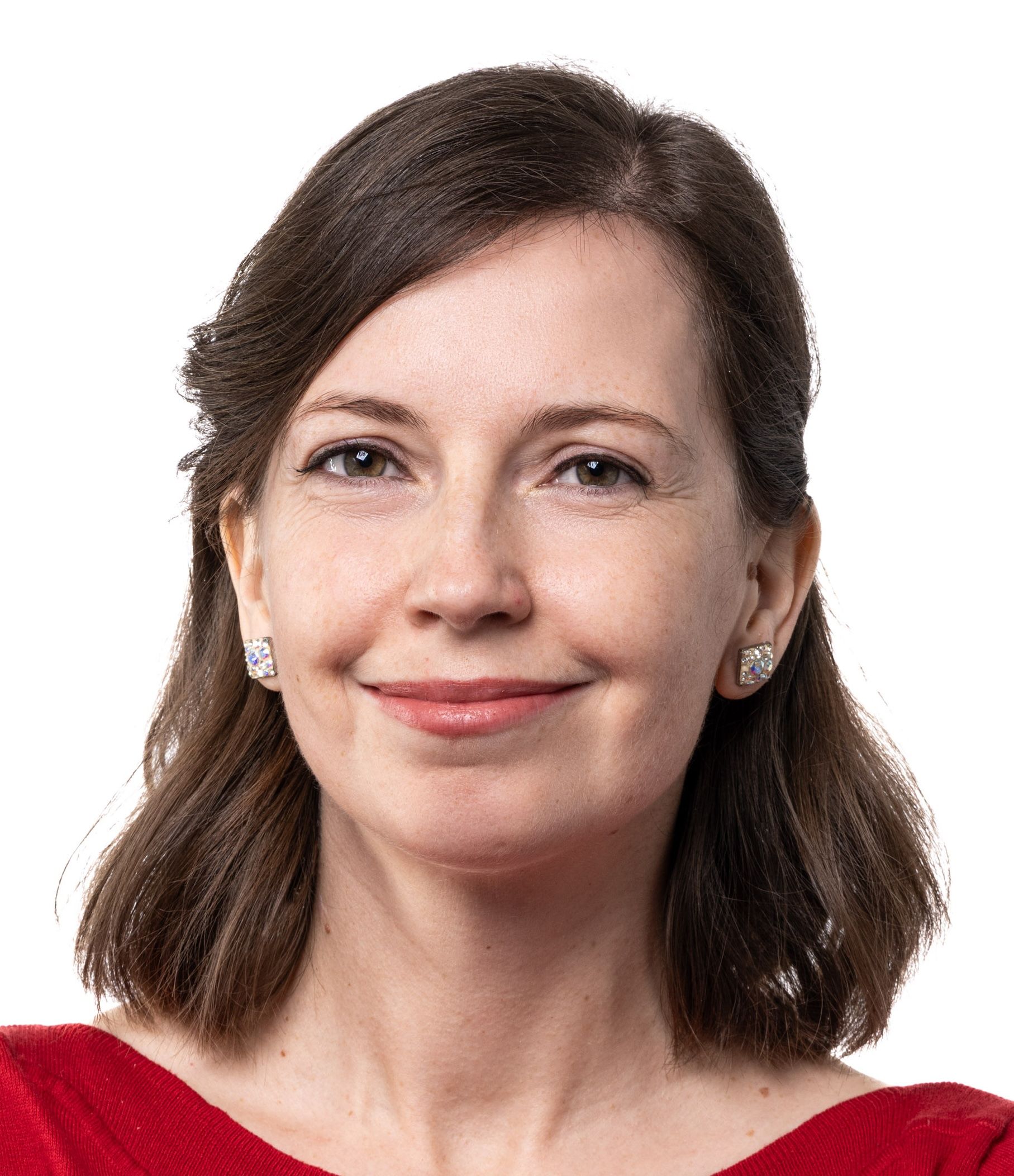
Viktória will add the perspective of global mobility and strategic talent acquisition in an era of “war for talent”. She will focus on the barriers faced by foreigners and their employers on the Slovak labour market and will address the question of where in the world it still makes sense to look for missing talent. She will also examine whether concerns about the outflow of qualified foreigners to other countries are justified and how an inclusive employee experience and well-designed work environment can help retain international talent in Slovakia.
Case study: Croatia’s path to an inclusive labour market
Mirna Barbarić from Croatian Institute for Expertise, Vocational Rehabilitation and Employment of Persons with Disabilities is an educational rehabilitation specialist with extensive experience in rehabilitation services for persons with disabilities.
Her professional background includes long-standing work in the rehabilitation of persons with visual impairment and other disabilities, vocational rehabilitation, as well as employment. Since 2015, immediately upon its establishment, she joined Institute for Disability Certification, Vocational Rehabilitation and Employment of Persons with Disabilities where she currently serves as Head of Department for development, evaluation and education (www.zosi.hr). She is also dedicated to supporting other professionals and is finishing Postgraduate specialist programme in Supervision of Psychosocial Work.
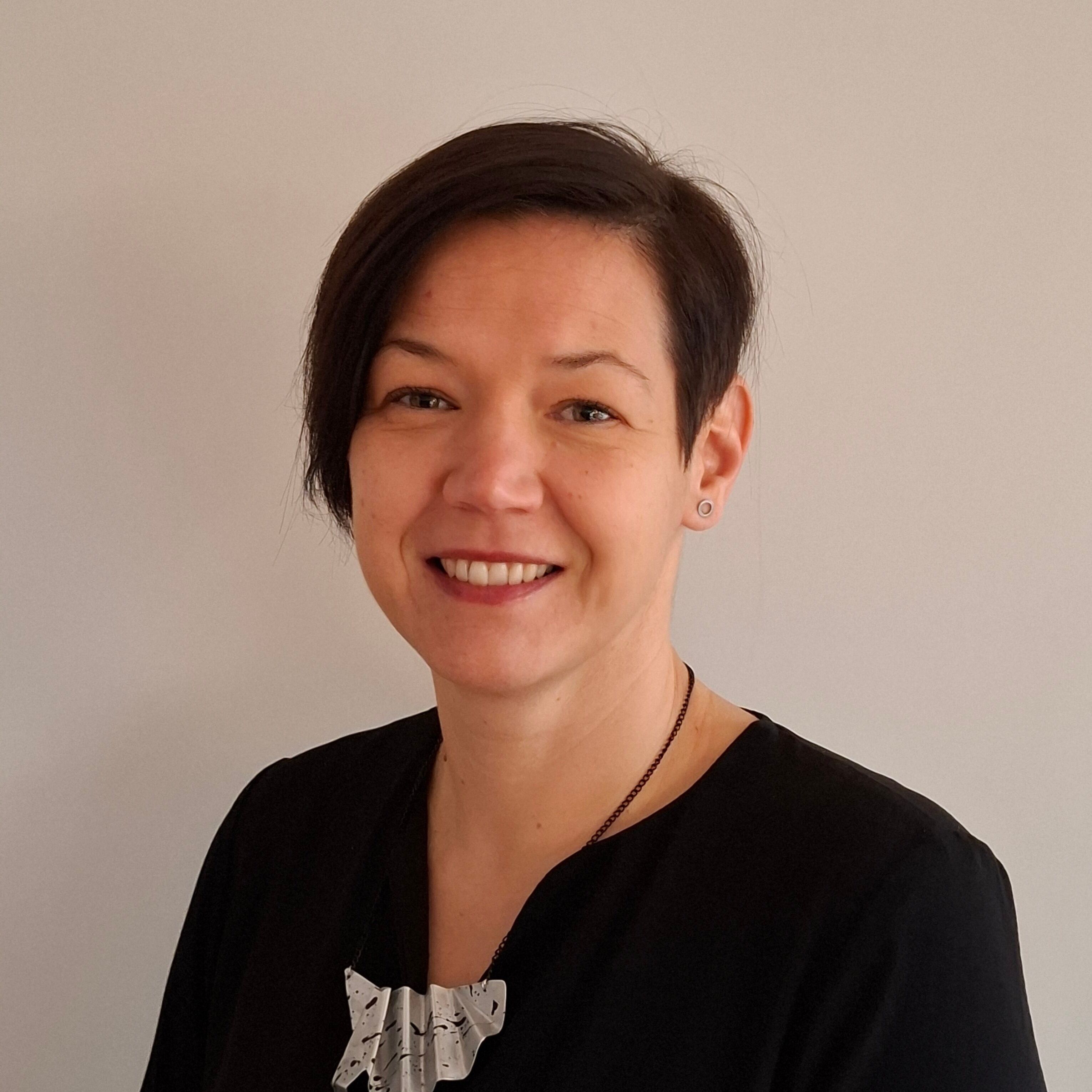
This presentation will introduce the Croatian model of vocational rehabilitation and employment of persons with disabilities as a comprehensive framework forinclusive labour market participation. It will outline legal and organisational structure of the system and the cooperation between key stakeholders. Special attention will be given to the role of regional vocational rehabilitation centres and the range of services they provide, including assessment, counselling, skills development and workplace support. The session will highlight successful practices, measurable outcomes and strategies to increase employment and improve working conditions for persons with disabilities.
Case study: Technology and community for active ageing
Hana Lörinczová works at social integration enterprise Aptet ISP, where she focuses on community development and education with an emphasis on diversity, equality, inclusion, and active aging. She is a certified trainer and has completed a bachelor's degree in law, which she is currently building on with studies in social work.
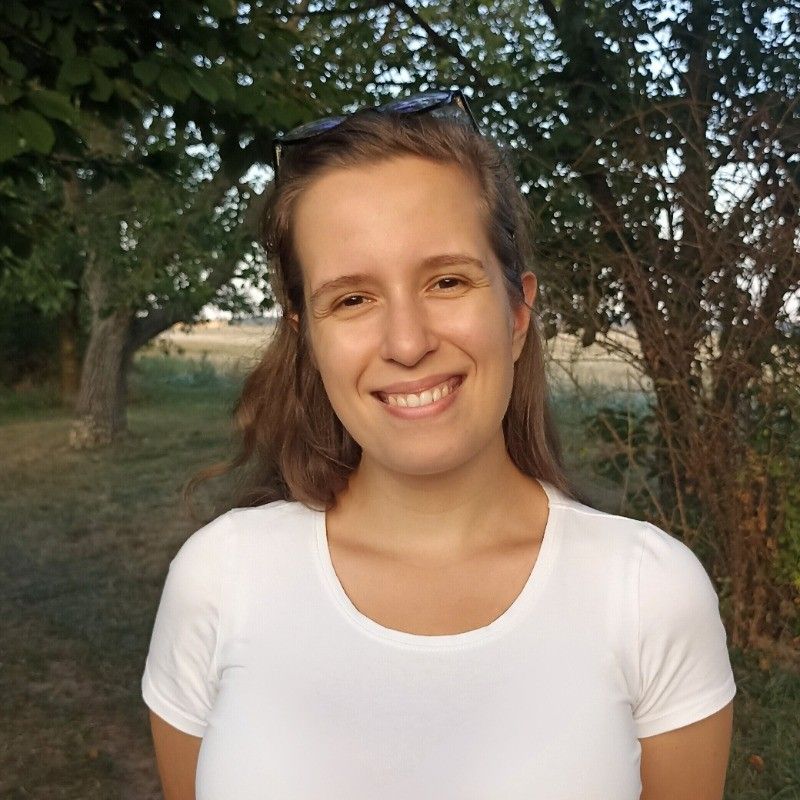
In her presentation, Hana will introduce the innovative Santea service, which creates a community of people and support services connected to smart technology solutions. The 24/7 care for nearly 500 isolated seniors provides practical help to working family members while simultaneously offering employment opportunities for people with various health disadvantages, enhancing their digital skills and supporting long-term sustainability of work habits. In 2025, the service recorded over 10,000 calls. The presentation will also offer practical recommendations for family members and employers who want to systematically support an inclusive work environment and conditions for active aging.

