
Assistive Technologies and Artificial Intelligence
The "Assistive Technologies and Artificial Intelligence" session will demonstrate how inclusion can bring value to both people and companies – from the design of digital solutions to everyday teamwork. Speakers will combine experiences from business, the nonprofit sector, and personal stories to show why accessible technologies, diversity in IT, and targeted talent support are key to a sustainable and fair labour market.

Photo: www.HalfPointImages.com
Profiles of Speakers for the Conference Alma Inclusive 2026 (February 3, 2026)
Registration
Assistive Technologies and Artificial Intelligence
(Session from 14.00 to 15.40 hrs)
Inclusive Teams, Blind Spots and Economic Reality
Filip Molčan is a technology innovator and social entrepreneur, founder of the software company Good Sailors, which has been demonstrating for over 20 years that health disadvantages can be an advantage in creating cutting-edge digital solutions. As co-CEO of Good Sailors and Chief Innovation Officer at M2C, he connects assistive technologies, artificial intelligence, and neurodiversity in software development for energy, logistics, security, and the gaming industry.

Filip Molčan will present specific examples of how inclusive teams can improve both the functionality and user accessibility of digital solutions. He will also identify limits and blind spots: what Good Sailors had to change in processes, communication, recruitment, and team leadership to make inclusion an economically sustainable model – and where they encounter barriers from clients, suppliers, or legislation.
How Not to Lose Talents
Panel Discussion: Michaela Dlhá (Technology Without Sight), Petra Kotuliaková (AjTyvIT), Martin Karen (job seeker from Profesia Lab 2025/2026)
Michaela Dlhá is an expert in digital accessibility and technologies for people with visual impairments. She founded the blog and platform Technology Without Sight (www.technologiebezzraku.sk), where she tests and reviews hardware, software, applications, and services from the perspective of blind and visually impaired users. She works as a trainer, consultant, and accessibility tester, focusing on the use of screen readers (NVDA, TalkBack), mobile technologies, and digital tools in the everyday lives of people without sight.
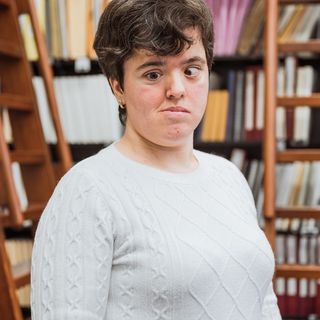
Michaela draws on professional education and practical experience with using screen readers, mobile applications, and online services. In the discussion, she will explain both mistakes and good practices of Slovak websites and systems. She will focus on what companies, the state, and creators of digital solutions must do to ensure their products are truly inclusive – not just formally "compliant with standards," but also practically usable for blind and visually impaired users.
Petra Kotuliaková is the founder and director of the non-profit organization Aj Ty v IT, which has been motivating girls and women in Slovakia to enter the world of technology and computer science since 2012. Under her leadership, the organization develops projects such as Girl’s Day, Women Academies, and career programs for women, and cooperates with companies and schools to make IT professions and digital skills more visible and attractive to women.
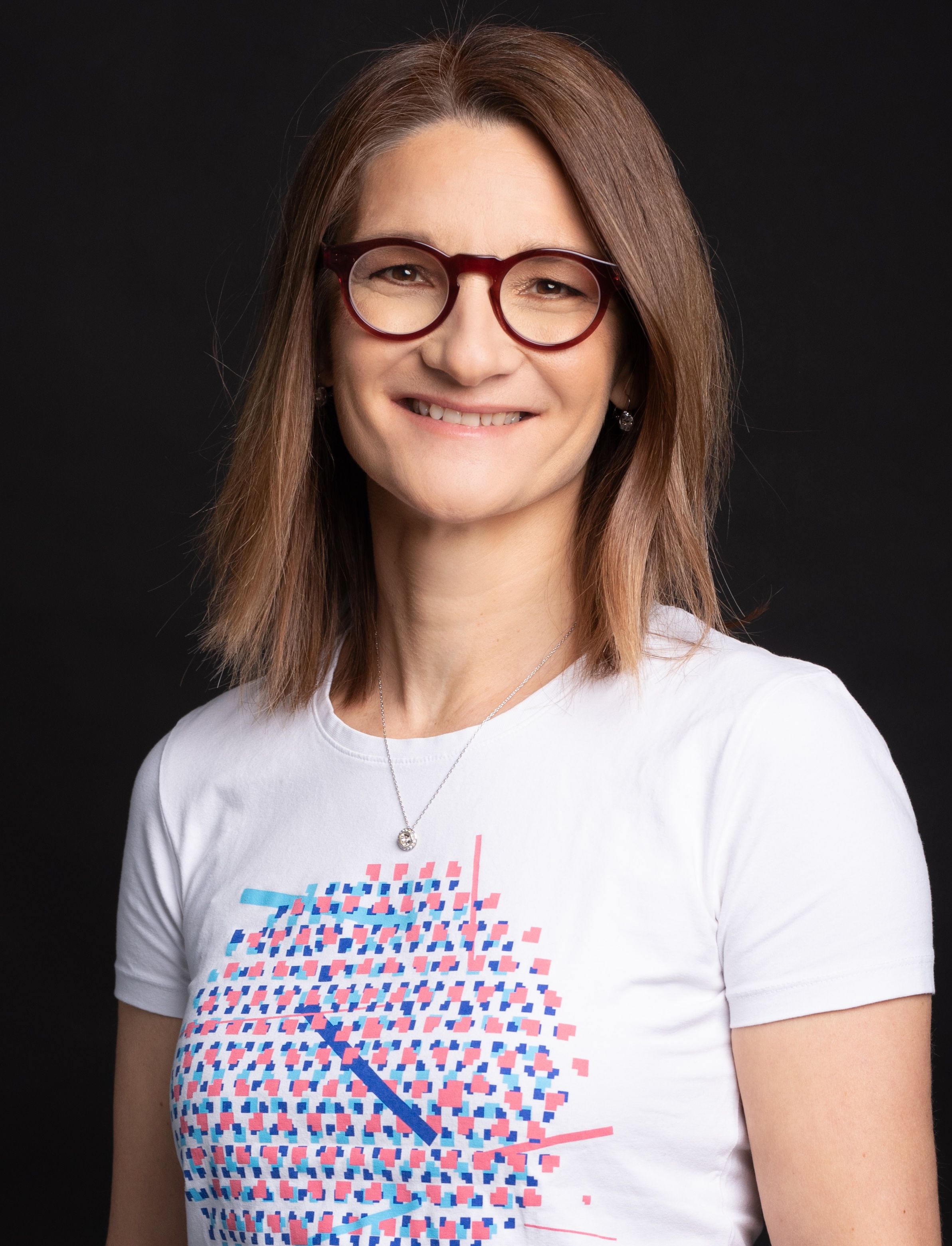
In her talk, she will highlight the potential of women in IT, the barriers they face, and how systematic support, education, and the involvement of male allies (Men Allies) can contribute to a more equal and inclusive technological society.
Martin Karen is an active job seeker from Profesia Lab 2025/26, with secondary education in economics and photographic design. He has experience as a trainer and group leader in Erasmus+ projects, spent a year in Germany working as a teaching assistant for students with special educational needs, and has also worked in photographic design, video production, and with various online tools.
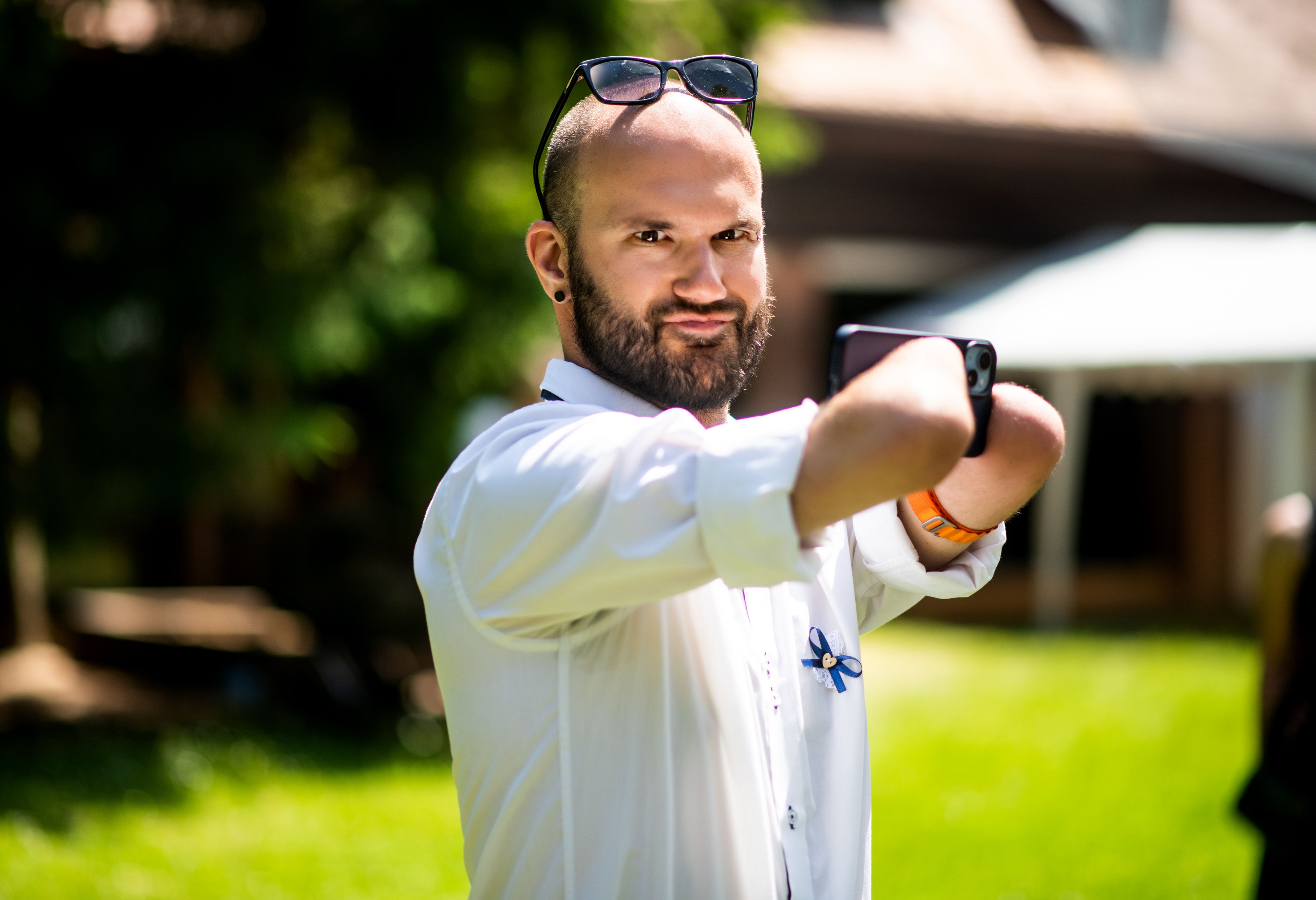
In the discussion, Martin will explain the most common barriers he has encountered when looking for work and how a person without hands can still be a fully valued and contributing member of a team.
Case Study: How AI Is Changing the Life of a Son with Down Syndrome
Dalibor Jakuš is the founder of the job portal Profesia.sk and a long-standing innovator in the field of online recruitment and digital solutions for the labour market. He studied at the Faculty of Mathematics, Physics and Informatics of Comenius University in Bratislava, specializing in computer science and artificial intelligence, and has also held academic positions at universities in Oxford and Linz. In 1997, he co-founded the software company ui42, within which the Profesia.sk project was created and later spun off into an independent company, where Dalibor served for many years as CEO and Product Director. In addition to Profesia, he co-founded TrackTest, an online English testing tool, and has long been dedicated to connecting technology, data, and human potential in the Slovak and Central European labour markets.
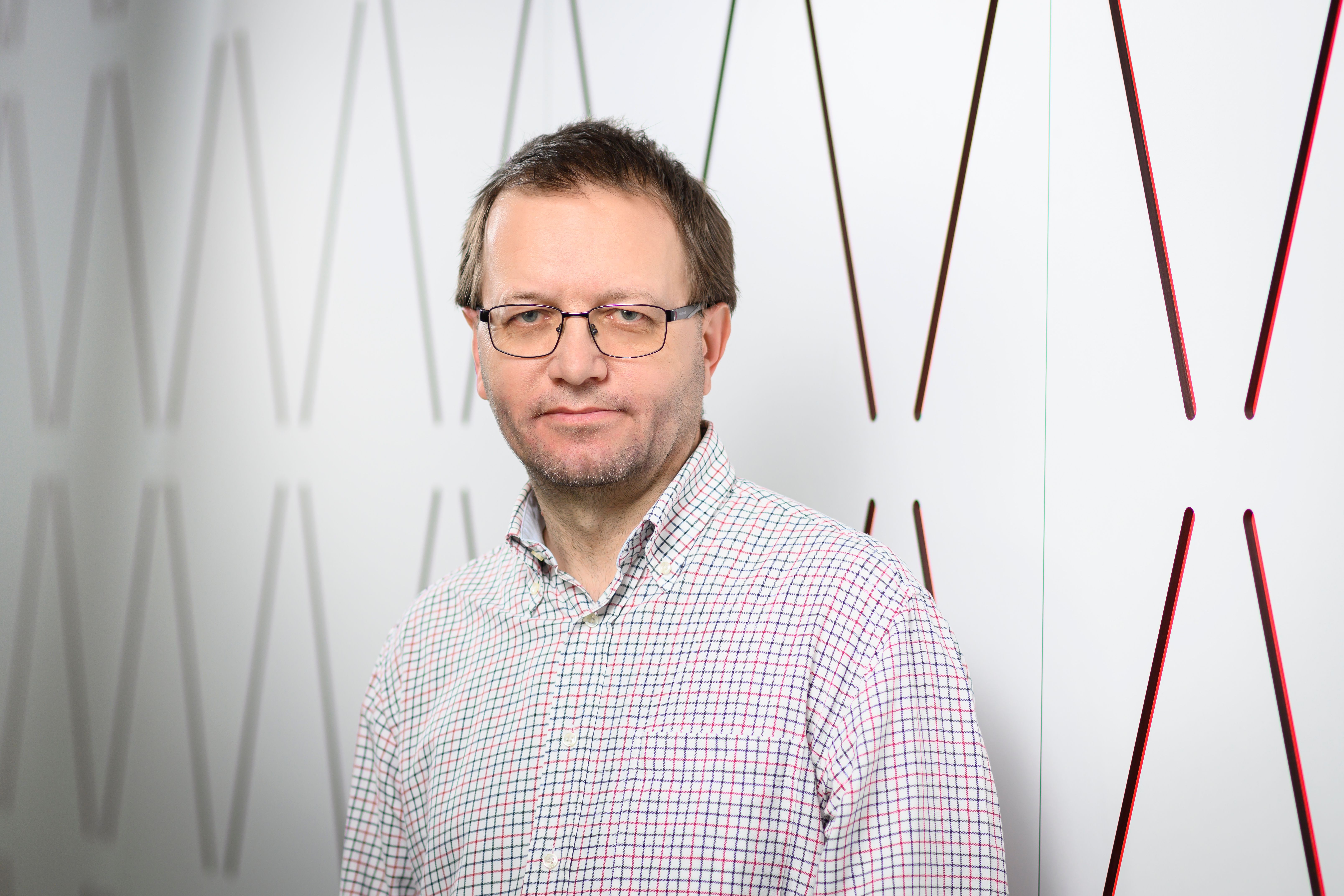
In his talk, he will focus on his personal experience as a father who combines his long-term interest in technology and artificial intelligence with the education of his son with Down syndrome. He will explain how intelligent technologies can support the inclusion of children with Down syndrome at school, in their free time, and in society.
Case Study: Transition from School to the Labour Market
Anna Podlesná is the Corporate Social Responsibility Manager at Alma Career Slovakia, a doctoral student in the Counselor Education and Supervision program at Michigan State University, and a research assistant at Project Excellence. Since 2022, she has been developing Profesia Lab – an internship program for young people with health disadvantages – and piloting its international version, Inclusive Hub.
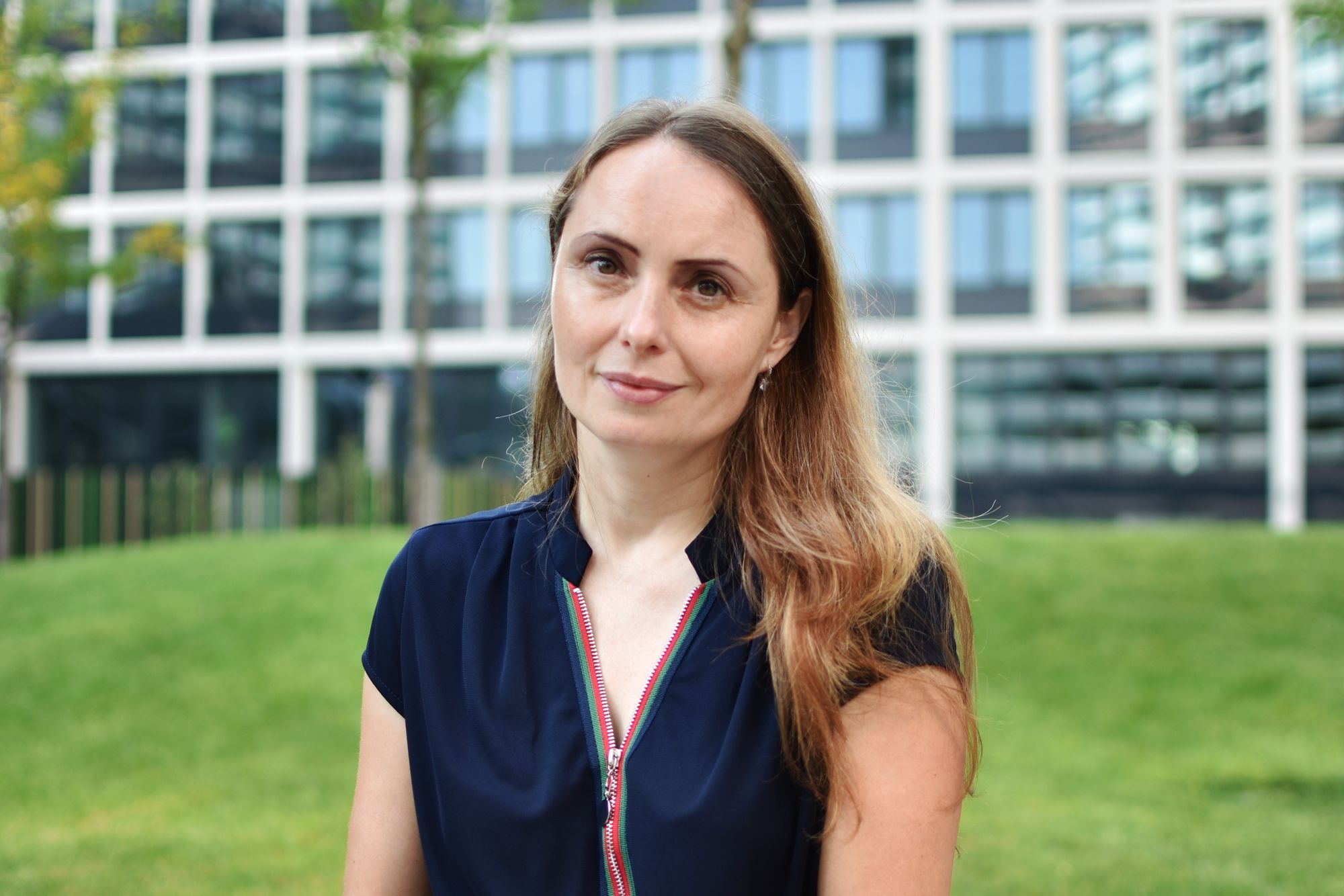
Her presentation will summarize three years of experience from Profesia Lab: the most common mistakes, key improvements, and practical tips on workplace accommodations, assistive technologies, and AI for sustainable inclusion.

